
Ironclad text logo
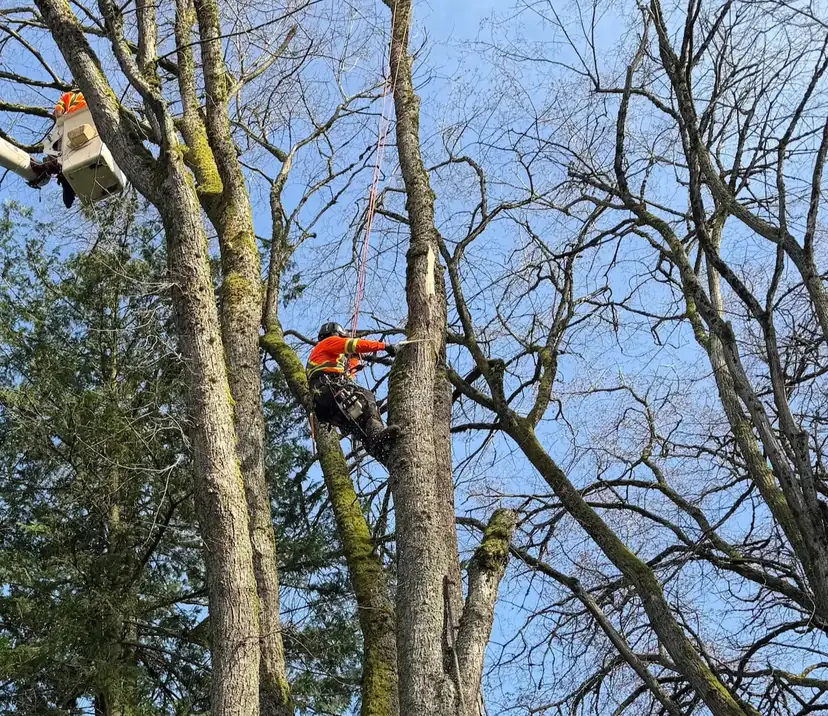
Arborists working

Tree Work in Deep Cove, North Vancouver

Tree Work in Deep Cove, North Vancouver

Tree Work in Deep Cove, North Vancouver

Waterfront homes mean tree work in Deep Cove can be challenging. Ironclad's lead arborist brings 30+ years of experience to handle any job.

Waterfront homes mean tree work in Deep Cove can be challenging. Ironclad's lead arborist brings 30+ years of experience to handle any job.

Waterfront homes mean tree work in Deep Cove can be challenging. Ironclad's lead arborist brings 30+ years of experience to handle any job.

  • ISA Certified Arborist

    ISA #: PN10411A
    ISA Certified Arborist Badge
  • ISA Tree Risk Assessment Qualified

  • BC Forest Safety Certified Fallers

    BC Forest Safety Certification Badge
  • $2 Million Liability Insurance

  • Worksafe BC

The history

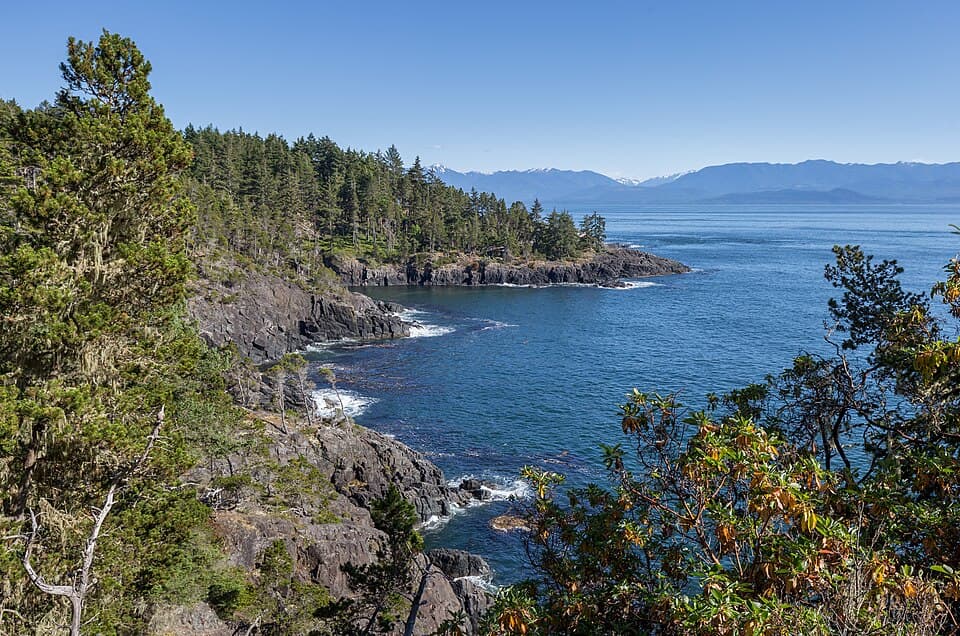
Trees in Deep Cove grow on rock.

Trees in Deep Cove grow on rock.

Trees in Deep Cove grow on rock.

Before the kayaks and coffee shops, Deep Cove was an industry town. Granite came out of the rock along Indian Arm starting in the 1890s, and timber came off the east side of Mount Seymour on a five-kilometre plank road built to haul it down to the water. The quarries were there for a reason: the granite sits close to the surface.

That same rock runs under the waterfront lots today. Thin soil over bedrock means trees root wide and shallow instead of deep, and on lots facing straight down Indian Arm, it can threaten the integrity of a large tree.

Deep Cove 1940's - North Vancouver

Deep Cove 1940's - North Vancouver

Deep Cove 1940's - North Vancouver

Deep Cove 1940's - North Vancouver

Deep Cove 1940's - North Vancouver

Deep Cove 1940's - North Vancouver

Local Considerations

What to expect from a tree service in Deep Cove

Deep Cove's streets weren't built for the traffic the village gets now. On a sunny weekend, cars from the Quarry Rock trailhead fill Panorama Drive and the blocks around it, which leaves little room to park a chipper and truck close to the work. Driveways cut on an angle for the view don't help either. On a lot of properties here, getting equipment near the tree is the first problem to solve.

The bigger question on most Deep Cove properties is whether a tree should come down at all. Shallow root plates and heavy wind exposure mean a tree can look healthy and still be poorly anchored, and the ones that fail are often the ones nobody was worried about. If you have a concerning tree call an ISA TRAQ (Tree Risk Assessment Qualified) arborist.
Frequently asked questions

Frequently asked questions

Frequently asked questions

Do I need a permit to remove a tree in Deep Cove?

Deep Cove falls under the District of North Vancouver's Tree Protection Bylaw. A permit is required for any tree 75 cm in diameter or larger, but size isn't the only trigger here: any tree within 30 metres of the waterfront is protected regardless of size, as is any tree on a slope steeper than 36%. That covers a lot of Deep Cove. Pruning a protected tree needs a permit too, not just removal. Ironclad checks this before quoting.

What if my tree is a hazard?

If a tree is genuinely hazardous, the District can issue a removal permit at no fee — but it needs an ISA Certified Tree Risk Assessor to declare it hazardous first. Ironclad's arborists hold that qualification. If a tree has already partly failed, the broken section has to stay on site for the District to inspect, and a report with photos goes in within 48 hours.

Will I have to replant?

Often, yes. The District requires replanting when a removal would leave the lot under 20% canopy coverage. On lots under 420 m² that's one replacement tree per tree removed; on larger lots, which covers most of Deep Cove, it's three. A security deposit is held until the new trees are planted and inspected, then refunded. If replanting isn't practical, the District charges an environmental compensation fee instead — $1,164 per large-diameter tree, or $2,326 if it's a Douglas fir or Western red cedar, which most of Deep Cove's second growth is.

Do I need a permit to remove a tree in Deep Cove?

Deep Cove falls under the District of North Vancouver's Tree Protection Bylaw. A permit is required for any tree 75 cm in diameter or larger, but size isn't the only trigger here: any tree within 30 metres of the waterfront is protected regardless of size, as is any tree on a slope steeper than 36%. That covers a lot of Deep Cove. Pruning a protected tree needs a permit too, not just removal. Ironclad checks this before quoting.

What if my tree is a hazard?

If a tree is genuinely hazardous, the District can issue a removal permit at no fee — but it needs an ISA Certified Tree Risk Assessor to declare it hazardous first. Ironclad's arborists hold that qualification. If a tree has already partly failed, the broken section has to stay on site for the District to inspect, and a report with photos goes in within 48 hours.

Will I have to replant?

It depends on the job. View pruning usually runs 10 to 45 minutes per tree, so a typical property takes anywhere from an hour or two up to half a day, depending on how many trees are involved. Caulfeild's narrow streets mean more planning and coordination with neighbours happens before the crew arrives, not during the job. Larger hazard trees are a different story: Caulfeild has no shortage of massive trees hanging over homes, and a full removal with rigging can take multiple days in some cases.

Sketch of douglas fir
{ "@context": "https://schema.org", "@type": "FAQPage", "@id": "https://ironcladtreecare.com/north-vancouver/deep-cove#faq", "url": "https://ironcladtreecare.com/north-vancouver/deep-cove", "name": "Tree Work in Deep Cove, North Vancouver — Frequently Asked Questions", "inLanguage": "en-CA", "isPartOf": { "@id": "https://ironcladtreecare.com/north-vancouver/deep-cove" }, "about": { "@id": "https://ironcladtreecare.com/#localbusiness" }, "publisher": { "@id": "https://ironcladtreecare.com/#localbusiness" }, "mainEntity": [ { "@type": "Question", "name": "Do I need a permit to remove a tree in Deep Cove?", "acceptedAnswer": { "@type": "Answer", "text": "Deep Cove falls under the District of North Vancouver's Tree Protection Bylaw. A permit is required for any tree 75 cm in diameter or larger, but size isn't the only trigger here: any tree within 30 metres of the waterfront is protected regardless of size, as is any tree on a slope steeper than 36%. That covers a lot of Deep Cove. Pruning a protected tree needs a permit too, not just removal. Ironclad checks this before quoting." } }, { "@type": "Question", "name": "What if my tree is a hazard?", "acceptedAnswer": { "@type": "Answer", "text": "If a tree is genuinely hazardous, the District can issue a removal permit at no fee — but it needs an ISA Certified Tree Risk Assessor to declare it hazardous first. Ironclad's arborists hold that qualification. If a tree has already partly failed, the broken section has to stay on site for the District to inspect, and a report with photos goes in within 48 hours." } }, { "@type": "Question", "name": "Will I have to replant?", "acceptedAnswer": { "@type": "Answer", "text": "Often, yes. The District requires replanting when a removal would leave the lot under 20% canopy coverage. On lots under 420 m² that's one replacement tree per tree removed; on larger lots, which covers most of Deep Cove, it's three. A security deposit is held until the new trees are planted and inspected, then refunded. If replanting isn't practical, the District charges an environmental compensation fee instead — $1,164 per large-diameter tree, or $2,326 if it's a Douglas fir or Western red cedar, which most of Deep Cove's second growth is." } } ] }